

|
||||||||||||||||||||||||||||||||||||||||||||||||||||||||||||||||||||


Salt is the origin of the chlorine-vinyl chain, which we convert into chlorine and soda. We add value to chlorine through the vinyl chloride monomer (VCM), ethylene plus chlorine, which, when converted to PVC, is used to make many different products. PVC is used predominately in housing and infrastructure construction; for example, it is used to make pipe, which is used in homes as well as in large-diameter water and drainage pipes, and also to manufacture cable coatings, window frames, doors, floors, kitchen coatings, closets, bathrooms, ceilings, facades, and many other products.
Soda is used to manufacture soap, shampoo, cream, and detergent and is also used for water treatment. Chlorine is used to produce cleaners, purify water, disinfect floors and walls, bleach paper, and to make white pigments.
Our chlorine-vinyl chain processes include the manufacture of plasticizers and phthalic anhydride. Because phthalic anhydride is the primary raw material for plasticizers.
This chain incorporates the highest value -added processes and products, like PVC compounds and customized products for clients to transform into final products- coatings for cables, blood or dialysis bags, film, toys, etc. These products are made with other additives that meet final product specifications for optimal processing at clients facilities.
|
||||||||||||||||||||||||||||||||||||||||||||||||||||||||||||||||||||
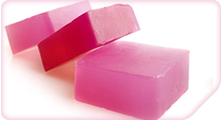 Soda: is the main input in the production of soap, shampoo, lotion, detergents, and water treatments.
Chlorine: is used to purify water for human consumption, in the production of many medications, to disinfect floors and walls, and to bleach pulp for making paper, among many other uses.
PVC: is used to manufacture durable goods for the construction sector such as pipes for the conveyance of drinking water, discharges or irrigation water, and coatings for conducting wires, window frames, floors, geomembranes, roofing, flooring, and even whole houses. This material is also used to make bags to preserve blood, dialysis equipment, catheters, and many other medical devices.
PVC products are present in every home or business in the form of furniture, decorative items, and functional appliances as well as automobile parts, toys, clothing, packaging, printing, and many other applications.
Compounds
Phthalic anhydride: plasticant manufacturing, which in turn is used to make plastic composites (the final part of the compound chain).
PVC plastic composites: cables, pipes, flexible and rigid film, shoes, curtains, window frames, coatings, and others.
Phosphates: This material can be used to create fertilizers and household, industrial and institutional detergents; ceramics, textiles, fire extinguishers, beverages, processed meats, etc.
 Mexichem Salinera del Sur. Located in Jaltipan, Veracruz, Mexico, where sodium-chloride brine is obtained from underground salt domes. The brine is transported to the chlorine-soda plant, located in Coatzacoalcos, through a 43-km pipeline; approximately 1,500 tons of salt are shipped (dry basis) daily.
Mexichem Derivados. Dedicated to the production of chlorine-soda and derivatives, with two plants in Mexico:
Mexichem Derivados Colombia. Located in Zipaquira (Colombia), it produces liquid caustic soda, sodium hypochlorite, ferric chloride, and ferric chloride in solution. It is the only plant of anhydrous ferric chloride in the Americas, with a capacity of 5,000 tons. It also produces other specialty chemicals (calcium stearate, Diablo Rojo [red devil]), bleach, and detergents for household and industry.
http://www.mexichem.com.co/CloroVinilo/DerivadosColombia/
Quimir. Quimir produces and markets phosphoric acid (food and technical grade), sodium phosphates (food and technical grade), and activated carbon. It serves a wide range of markets, with a leading position in Mexico and a presence throughout the Americas.
Mexichem Resinas Vinilicas. Its plants are Altamira I and Altamira II (Tamaulipas), Tlaxcala (Tlaxcala) and La Presa (Estado de México). Together, they can produce 349,000 tons of suspension type PVC and 12,500 tons of emulsion type PVC per year, most of which is supplied to the Mexican market.
http://www.mexichem.com.mx/CloroVinilo/ResinasVinilicas
Mexichem Resinas Colombia. Engaged in the production and sale of vinyl resins, has three plants in Cartagena, Colombia, with total production capacity of 400,000 metric tons a year. Enjoys worldwide recognition in the PVC market and is a leading producer of this plastic in Latin America. Currently supplies more than 90% of the national market and exports close to 60% of its product.
http://www.mexichem.com.co/CloroVinilo/ResinasColombia/
Mexichem America Inc. It is the company that markets products Chloro-Vinyl Chain in America. It is located in Tennent, New Jersey.
Mexichem Compuestos. Produces polyvinyl chloride (PVC) with additives for specific applications. Among the products that are part of this business unit is phthalic anhydride, which is used in the manufacture of plasticants (to make plastic composites) that are the final part of the compound chain.
Mexichem Compuestos has two plants in Mexico.
http://www.mexichem.com.mx/CloroVinilo/Compuestos/
C.I. Mexichem Compuestos Colombia. Located in Cartagena, Colombia. Produces plastic compounds including PVC, polyethylene, and other plastics. Has annual production capacity of 50,000 metric tons. Latin America's best supplier of plastic compound solutions with recognized quality and special emphasis on PVC, generating value for its clients, shareholders and associates.
http://www.mexichem.com.co/CloroVinilo/CompuestosColombia/
AlpahGary. It specializes in the design and development of PVC, TPE, and TPO compounds -- a wide variety of blends and alloys. It's a custom compounder, often developing a material to meet a specific customer requirement. From four facilities on two continents (Europe and America), we ship around the world.
Risks and safety measures for product handling.
|
||||||||||||||||||||||||||||||||||||||||||||||||||||||||||||||||||||||
|
||||||||||||||||||||||||||||||||||||||||||||||||||||||||||||||||||||||

 FACEBOOK
 TWITTER